

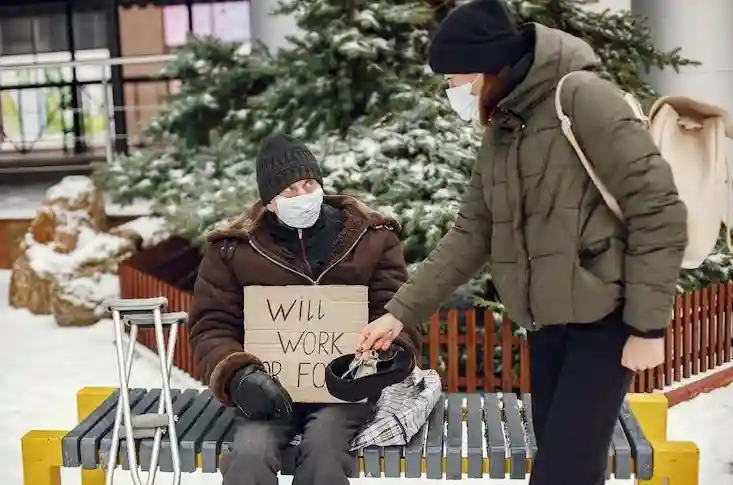
Winter is harsh, bringing freezing temperatures, snow, and ice. For those with homes, wool jackets and blankets provide comfort. But for families and individuals who are homeless, winter is extremely difficult, leaving them exposed to icy conditions without shelter or warm clothing. Emergency winter shelter programs are a lifeline for homeless people. They fulfill immediate shelter needs, provide space to live, food to eat, and bring hope that they are not alone during these challenging times. Here is a look at the role of emergency winter shelter programs.
Safe Emergency Haven for Homelessness
An emergency shelter is a safe and warm place for homeless families, especially during extremely cold winter nights. These shelters provide overnight accommodation where people can rest, stay, and be protected from harsh weather. Shelter programs also offer basic services such as secure sleeping spaces, warmth, essential supplies, and a respectful environment where guests are welcomed regardless of their background. Many programs follow barrier-free, peaceful conditions for everyone without strict restrictions. Whether someone needs safety, warmth, or temporary overnight protection, emergency winter shelter acts as a lifeline during difficult times.
Provide Safety and Shelter
Emergency winter shelter programs quickly provide temporary homes and safe spaces for individuals and families during freezing nights. When temperatures drop dangerously low, prolonged exposure can lead to severe health risks. These shelter programs provide refuge, protecting people from the harsh cold. They also help reduce health risks such as flu, colds, coughs, frostbite, hypothermia, asthma, fever, and other chronic illnesses. In this safe and warm space, individuals can rest without fear of violence or feeling unsafe. These shelters provide blankets, warm clothes, jackets, and mats so people can spend their nights and days with comfort and ease.
Connect with Support Services
Homeless individuals often experience stress, trauma, and depression, feeling isolated and hopeless. Emergency winter shelter programs help connect them to support services such as community networks, organizations, donors, and fundraisers. These programs show that there are people who stand by their side. They fulfill various needs, including housing, employment, living essentials, food, and health services. By providing this support, shelters help individuals recover and regain strength to face life again.
Support Health and Wellbeing
During difficult times, homeless individuals often experience compromised mental and physical health. Emergency winter shelter programs offer health services, including medical camps staffed with healthcare professionals who provide care without expecting anything in return. Shelters also provide essential medicines to help individuals stabilize both mentally and physically. Many shelter programs also offer long-term solutions, supporting individuals in successfully overcoming homelessness and rebuilding their lives.
Expand Shelter Impact
Emergency winter shelter programs play an important role across multiple sectors, with billions of dollars in grants helping people without roofs over their heads and becoming a source of hope for the hopeless. They act as charitable organizations and donors, supporting causes ranging from homelessness and education to global health initiatives for families in need. Through these wide-reaching shelter networks, they respond quickly to both global and local crises, making philanthropy more efficient and impactful than ever before